Video game addiction treatment specialists
The World Health Organization (WHO) has included video game addiction as a mental disorder. This addiction causes an increase in the desire to play and a substitution of activities to be hooked on the screen.
What are the symptoms of video game addiction in adolescents?
The most complicated , in most cases, is to detect our child’s addiction. And it is that, often, it is not easy to distinguish between a habitual practice or something very punctual.
These are the main symptoms that cause addiction to video games :
- Social and family isolation
- Difficulty maintaining relationships with peers (friends)
- Use of video games to channel everyday stress or some underlying problem
- Poor school performance
- Recurring thought of wanting to play
- Muscle pain from poor posture
- Substitution of activities (stop doing things to play)
- Withdrawal syndrome (mono) when stopping gambling
- Loss of notion of time (evasion)
- Outbursts of anger and rage (frustration and irritability)

Consequences of video game addiction
- Isolation from the real world.
- Mood swings.
- Sleeping problems.
- Decreased academic performance.
- Family conflicts and increased aggressiveness.
- Open door to other dangers/unknown behaviors.
- Hygiene and feeding problems.
- Lack of interest in other activities (reading, sports, art, extra-curricular...).
- Lack of personal development and difficult future.
- Fascination for gadgets and their novelties.
How is the treatment of addiction to video games in adolescents?
Desconect@ has created the first worldwide treatment for video game addicts (2012). In it, the cause of the discomfort is detected, the game is eliminated and the family, social, emotional and academic tools necessary for a better future are given.
- Individual therapy with a reference psychologist and group therapy.
- Individual and group family therapy.
- Educational workshops.
- psychiatry and psychology.
- Coordination with the educational center.
Frequently asked questions about video game addiction
Definitely. The World Health Organization (WHO) has already recognized video game addiction as a mental disorder, maintaining that a minority of gamers could develop addictive use of video games with symptoms similar to drug addiction. Being addicted to something limits you in your life and generates constant problems at a social, family and work level. What kind of addiction? It is not important.
In case you need it, yes. The discomfort before the game is often the reason for falling into addiction. I have a problem and I don’t know how to deal with it. Find on the screen an escape and relaxation. I don’t think about my problems, I feel accepted. When you psychotherapeutically eliminate the problem, the need and dependency disappear.
Your child will not lose friends or be left alone. On the contrary, they will have more real social skills (not through a screen) that will make them know how to develop better in their peer group. The development of this problematic behavior could be due to a coping mechanism in the face of problems or social difficulties of adolescents. Low social competence would be a risk factor for the development of video game addiction. We must offer an alternative to their fun and teach them to manage emotions, frustrations and immediacy.
It’s not hard to guess that video game designers want their users to play as long as possible for their own benefit. They generate THE «OBLIGATION» TO PLAY EVERY DAY AND OTHER STRATEGIES OF ENHANCEMENT.
Dopamine, the neurotransmitter known as the reward (or pleasure) hormone, increases in brain availability every time someone wins a game. Other risk factors can be added to this biological aspect: intra-family communication, the player’s temperament and personality, their situation, low self-esteem, a sedentary lifestyle, intra-family conflicts, or the few leisure alternatives without screens.
Many of today’s games have daily quests. They ask you to play every day to access the requirements to have a better character, or a higher level.
The vast majority of video games incorporate strategies and resources that are traditionally present in games of chance, such as surprise chests or casinos. There is no economic return, but it is an experience and learning of the dynamics of the game of chance. A teenager would not have to have contact with these kinds of experiences.
The video game has a regulation: the PEGI code, which guides on ages and content. The PEGI System (Pan European Game Information) is a self-regulatory mechanism designed by the industry to provide its products with guidance information on the appropriate age for consumption.
That is to say, the video game industry itself is the one who sets the recommended age….
Of course. Big technology companies have developed platforms for players to interact on them while they play, known and unknown with the risk that it implies.
An open door to gambling: The latest report from the Spanish Observatory of Drugs and Addictions, from 2018, stated that 82% of young people between 14 and 18 years old had played video games in the last year, half of them weekly, and the vast majority an average of two hours a day. Three out of ten said they had spent money in the game to improve their position, their character, their accessories or their image. And 6 percent of the total would present a potential disorder due to the use of video games.

“There may be school absenteeism, a high level of stress and anxiety, they are more irritable or aggressive, they stop doing daily activities, taking care of their hygiene, eating with order, dressing, going out and having social relationships. They stop doing what benefits them... it's progressive, difficult to diagnose and highly damaging."
Minors, playing with a console.
A total of 15.8 million people play video games regularly in our country, which means 44% of the Spanish population. The Spanish Video Game Association (AEVI) indicates that there is a greater number of players in the child and adolescent population and a greater frequency of use among boys than among women. Especially highlighting adolescent or pre-adolescent users between 11 and 14 years old; Of them, 79% regularly play video games of any type. It is known that 21% of young people in Spain between 14 and 18 years old abuse new technologies. The AEVI confirmed in 2017 that 12 million Spanish video game players acknowledge that they play on a weekly basis, investing an average of 6.6 hours.
desconect@
barcelona
- Berlinès 13-15, 08022 Barcelona
- Free consultation
- 936 836 965

desconect@
madrid
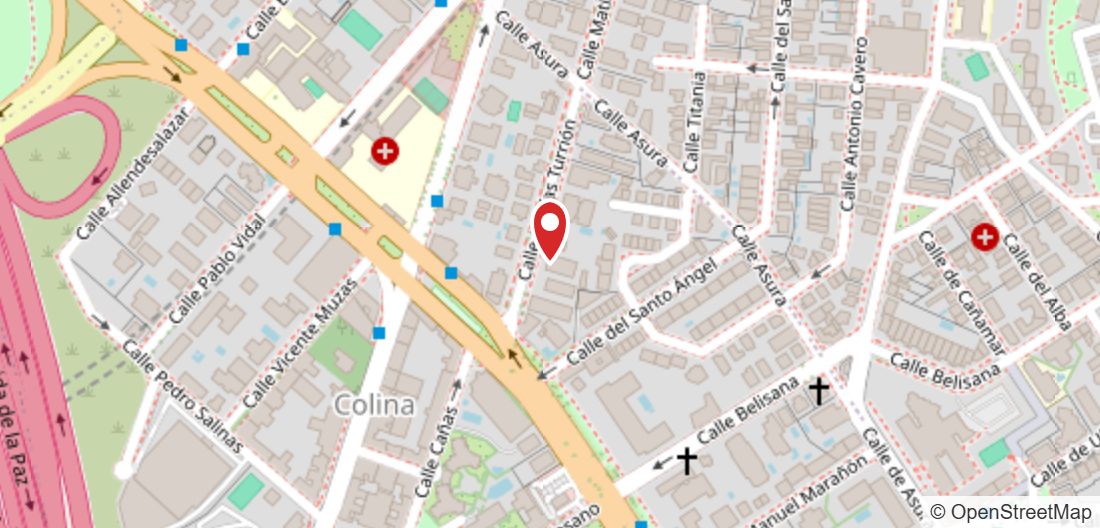
- Matías Turrión 6, 28043 Madrid
- Free consultation
- 910 376 107
desconect@
málaga
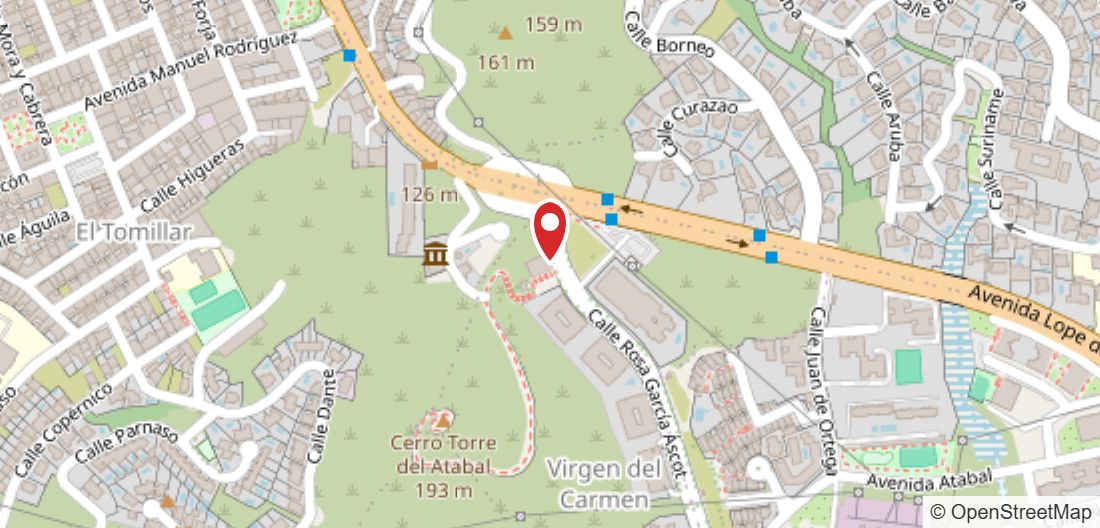
- Rosa García Ascot 2, 29119 Málaga
- Free consultation
- 952 039 438