Addictive behaviors in adolescents

During adolescence, people are highly vulnerable to engaging in risky behaviors related to the consumption of tobacco, alcohol, marijuana and other drugs. Adolescents often have the feeling that they are immune to danger and prioritize immediate gratification even if future use causes negative consequences. Thus, these behaviors are also often associated with problems of behavior and relationship with their environment, mainly with the family and the school environment.

Teenagers are also highly vulnerable to technological addictions. It begins when the adolescent uses technological devices more and more, little by little losing the power to manage time and mode of use, as well as creating discomfort (including anxiety and stress) at times when they cannot be used, generating subordination to the use of that object.

Desconect@ was born in 2012, a time when society was not yet aware of the risks of being hooked on a mobile phone for an excessive amount of time. The dependency created by video games and social networks has exceeded all educational and health forecasts and we are a leading centre for the treatment of technological addictions.

Symptoms of addictive behavior in adolescents

  • The adolescent spends a lot of time carrying out this behavior, whether it is playing, using the mobile phone or consuming a certain substance
  • He gets very upset when he can’t access the object of addiction.
  • Avoid other situations so you can focus on the addiction.
  • There is a change of friends.
  • If he needs money to carry out his addiction, he begins to steal (things from home disappear, credit cards have unexplained movements…).
  • Communication with the family suffers.
  • In some cases, there is truancy.
Desconecta-Marc-Masip-adicción-al-móvil

Problems related to addictive behavior in adolescents

The consequences or related problems can have different degrees of severity. Although not all of them have to appear, we highlight the most common ones:

  • Speech altered, rapid or excessively slow.
  • Unusual breath or odor due to substance use (for example, inhaled).
  • Sleep problems: Using electronic devices before bed can make it more difficult to fall asleep. Also, many teenagers use their mobile phones for a long time, which results in less sleep.
  • Family problems: Conflicts with the closest people are constant. Teens with an addiction often deny the problem and family members insist there is a problem.
  • Social issues: Focusing on addiction also affects social relationships. For example, playing video games all day means you don’t have time to hang out with your friends.
  • School problems: As in the previous case, when they focus on one thing, other aspects are neglected.
  • Psychological impact: The most common are psychological dependence, loss of control, depression, anxiety, ignoring the activities that preceded the problem, frustration when someone tells you to stop the behavior, coping with the problem, introversion and even low self esteem.

desconect@
barcelona

Mapa: Desconect@ Barcelona, Carrer de Berlinès 13-15
Berlinès 13-15, 08022 BCNGet directions

desconect@
madrid

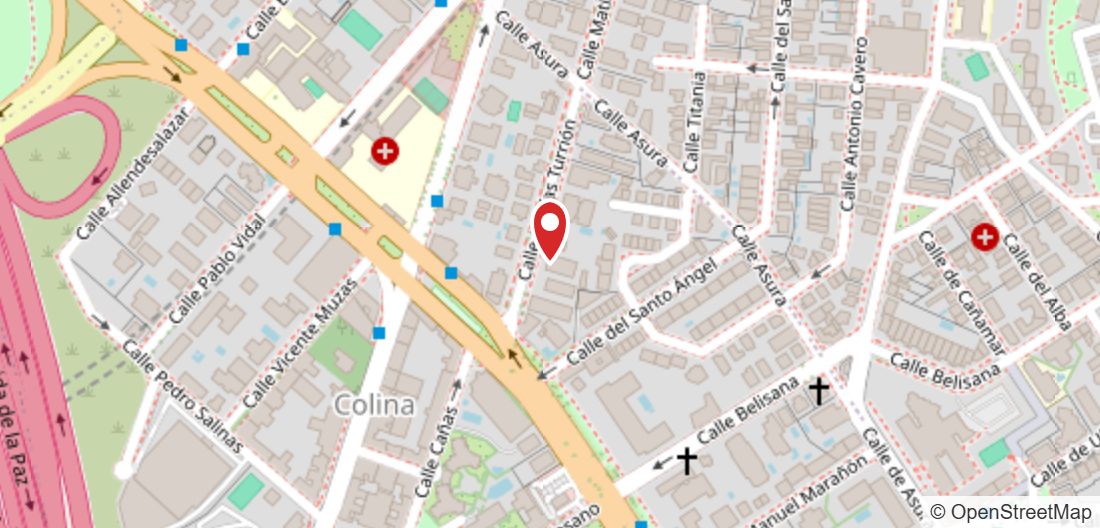
Mapa: Desconect@ Madrid, Calle Matías Turrión 6
Matías Turrión 6Get directions

desconect@
málaga

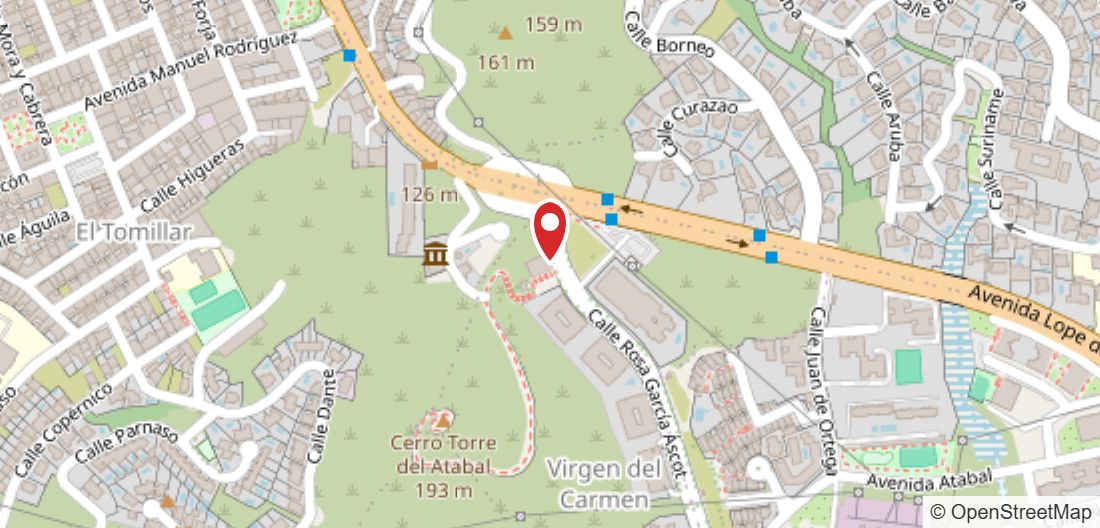
Mapa: Desconect@ Málaga, Calle Rosa García Ascot 2
Rosa García Ascot 2, 29110 MálagaGet directions

We call you

Fill in the form and we will contact you