Specialists in treatment of behavioral disorders in adolescents
Conduct disorders manifest with problems in self-control of behavior and emotions, violating the rights of others and can lead the adolescent to significant conflicts against the norms of society or with authority figures.
At our Desconect@ Day Hospitals in Barcelona, Madrid and Malaga we have a multidisciplinary team to help patients and their families return to a healthy life.
Our therapeutic objective is to significantly reduce disruptive behaviors by helping the patient to build an identity outside of aggressiveness and discomfort. Likewise, reduce family conflict, recover the right climate, restore rules, limits and hierarchy, control impulses and manage emotions and frustration.
What are the symptoms of adolescent conduct disorder?
It is not easy for the family to adapt to circumstances of this type and parents may not be able to realize that their child is suffering from a disorder. To detect a case of disorder, as a father/mother you will observe:
- You get angry very often
- Challenging and intimidating postures and gazes
- No kind of respect for boundaries and rules
- Constantly lying and/or manipulating
- Academic and emotional difficulties
- Family problems
- Academic failure
- Lack of selfesteem
- Difficulty managing emotions
- Low tolerance to frustration
- Start arguments and/or fights
- Off-tone answers
- Inability to obey
- Guilt in others, not in their actions
Types of Conduct Disorders in adolescents
Oppositional defiant disorder
It is characterized by a pattern of anger/irritability and arguing/defiant or vindictive attitude in interaction with other people. You lose your temper easily and it is customary to be angry and resentful.
He has difficulties with authority and it is very difficult to see him accept his mistakes, he always blames others. It causes discomfort in the sufferer in addition to his environment.
Intermittent Explosive Disorder
This type of conduct disorder is characterized by a progressive withdrawal from the real world and a lack of interest in sports, friends, or studies.
All this causes mood swings and family conflicts as well as a decrease in academic performance. It also affects personal development and, therefore, hinders the future of the affected person.
Conduct disorder
Disconnect@ student tells us how she has learned to manage her emotions
Request more information
- The prevalence of conduct disorder in Spain is 5 points above the European average, which is 16.3%, and 8 points more than the world average, which is 13.2%.
- Lawsuits for conduct problems have increased by 96% after the pandemic.
- It is estimated that one in five children will have a behavioral disorder throughout their childhood or adolescence.
- It is a more frequent health problem among boys than girls.
Frequently asked questions about behavioral disorders in adolescents
The family is the nucleus most affected. Constant conflicts, lack of respect, breaches of rules… creates an unsustainable climate for parents and/or their siblings.
In treatment it is essential to support the family with tools and advice to better manage the situation. At Desconect@ we provide the personal telephone number of the referring therapist in order to always have this much-needed support.
Childhood, and especially adolescence, is a process of change in which it is normal for more difficult times to occur than others, and it would be within the expectation of going through phases of rebellion. The fact of experiencing stressful situations such as the separation of parents or the loss of a loved one, among many other situations, could also cause behavior changes.
In the case of conduct disorders, it is the establishment of a way of functioning marked by aggressive behavior, defiance of authority, opposition to rules, non-acceptance of limits. Aggression becomes a form of relationship and exceeds the limits to be able to live together. In no case is it due to a process of age.
Although they appear as “tough”, it must be borne in mind that their self-esteem is usually low. They do not know how to manage their frustration or their emotions. Treatment is important since they are patients at risk of having other risky behaviors such as school failure, accidents, drug use, risky sexual relations,… Without effective conduct disorder treatment, in adulthood, these behaviors They can lead to a bad ending.
At an initial moment of treatment, the adolescent usually refuses it, as the days go by, he understands that it helps him, he acquires new habits and he also enjoys his better global climate.
As parents we must transmit assertiveness, we do it because we love them and because we do not want to see them badly. They must understand it and at the same time see a limit. What we call, demand from love.
Without a doubt, yes.
desconect@
barcelona
- Berlinès 13-15, 08022 Barcelona
- Free consultation
- 936 836 965

desconect@
madrid
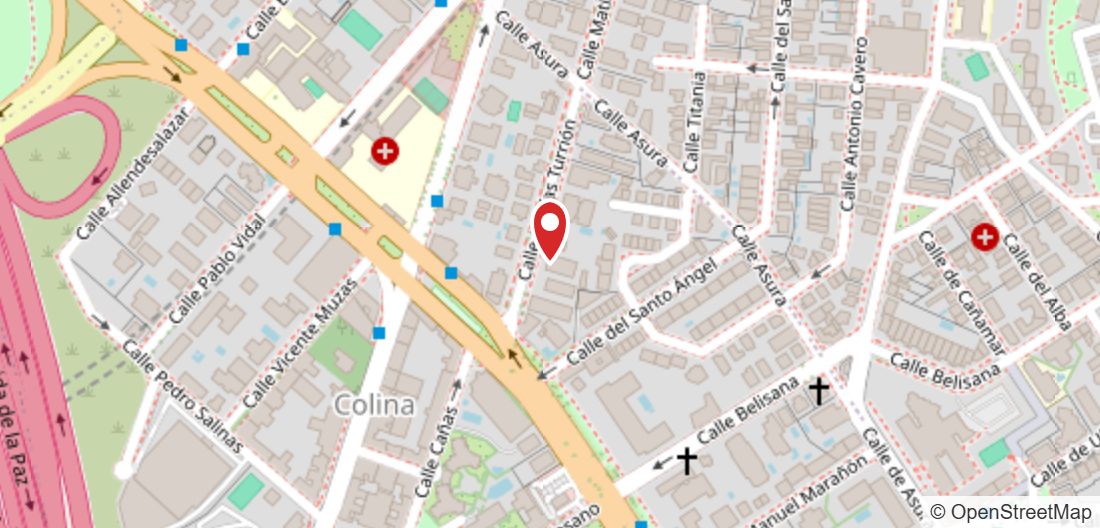
- Matías Turrión 6, 28043 Madrid
- Free consultation
- 910 376 107
desconect@
málaga
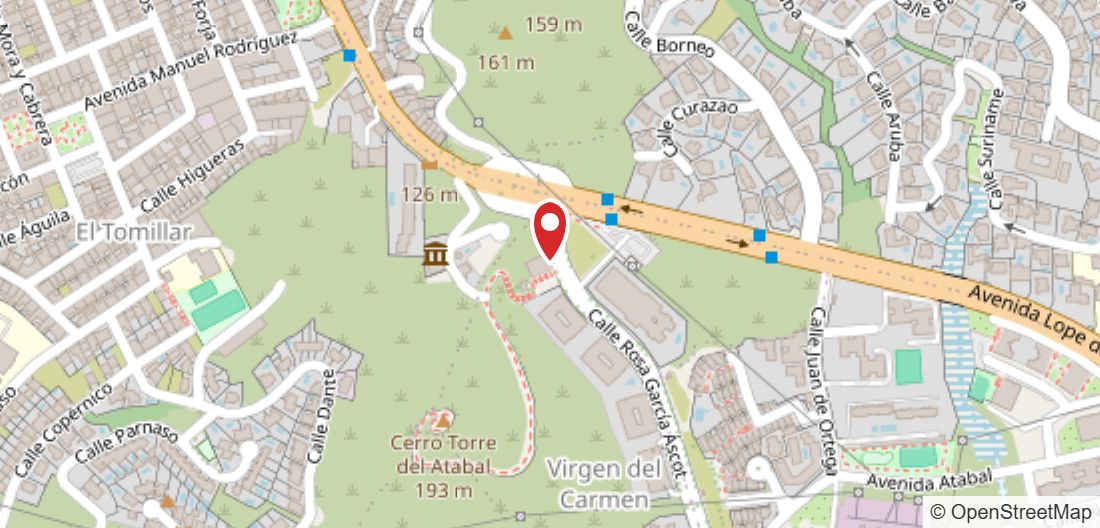
- Rosa García Ascot 2, 29119 Málaga
- Free consultation
- 952 039 438