Specific learning difficulties in adolescents
The most common learning difficulties can manifest as difficulties in reading, writing or calculation. They can also present associated behavioral problems or present together with ADHD (Attention Deficit Disorder with or without Hyperactivity).
Learning disorders with reading difficulties or dyslexia
Dyslexia affects the ability to recognize or decode words. For a teenager with dyslexia, reading, although it should already be automated, sometimes it is not, resulting in errors, slowness and great cognitive wear. Reading errors in dyslexia often refer to stopping reading a letter or syllable, adding others, substituting others, changing words or making rotations in those that have symmetrical shapes such as b, p, d, q. Reading comprehension is also affected in cases of dyslexia, since the attention is focused on the decoding process.
Dyslexia symptoms in teenagers
- Difficulty reading, even reading aloud.
- Slow and laborious reading and writing.
- Spelling problems.
- Avoid activities that require reading.
- Mispronunciation of names or words, or difficulty finding the words.
- Taking a long time to complete tasks that involve reading or writing.
- Difficulty summarizing a story.
- Problems learning a foreign language.
- Difficulty understanding math problems.
- Need to read the texts several times to understand it. This is common and has nothing to do with the complexity of the information.
- Difficulties in the organization.

Learning disorders with math difficulties or dyscalculia
Dyscalculia presents difficulties that can include different math skills such as number processing, calculus, visual, spatial, and mathematical reasoning skills. Adolescents with dyscalculia show difficulties to assimilate and remember mathematical language, numerical and arithmetic data, as well as to create strategies to solve problems.
Dyscalculia symptoms in adolescents
- Difficulty recognizing the meaning of numbers.
- Difficulty grouping objects in quantities.
- Difficulty recognizing groups and buying them using concepts related to size.
- Difficulty learning to count, matching numbers with quantities. etc.
- Difficulty solving simple math problems involving addition, subtraction, multiplication, and division.
- Difficulty performing mathematical operations.
- Difficulty remembering multiplication tables, units of measurement, etc.
- Difficulty performing numerical series.
- Inability or difficulty to write numbers correctly.

Learning disorders with difficulty of written expression or dysgraphia
In cases of dysgraphia, writing skills are affected and spelling difficulties and problems in written expression appear, sometimes also accompanied by other difficulties in the learning process. Text planning mechanisms are affected, therefore adolescents with writing difficulties or dysgraphia generate a disorganized text without cohesion and coherence, and easily lose the thread of their ideas.
The texts they produce are excessively short, lacking in detail and poorly organized. In addition, grammatical and syntactic errors appear and they do not use punctuation marks correctly. It is common for these adolescents to have reading problems as well as writing problems.
Dysgraphia symptoms in adolescents
- Difficulties and common errors in grammar and punctuation.
- Deficient writing, with bad spelling, bad spelling and difficulties for written expression.
- Poor spelling.
- Poor organization writing.
- Need to say the words out loud when writing.
desconect@
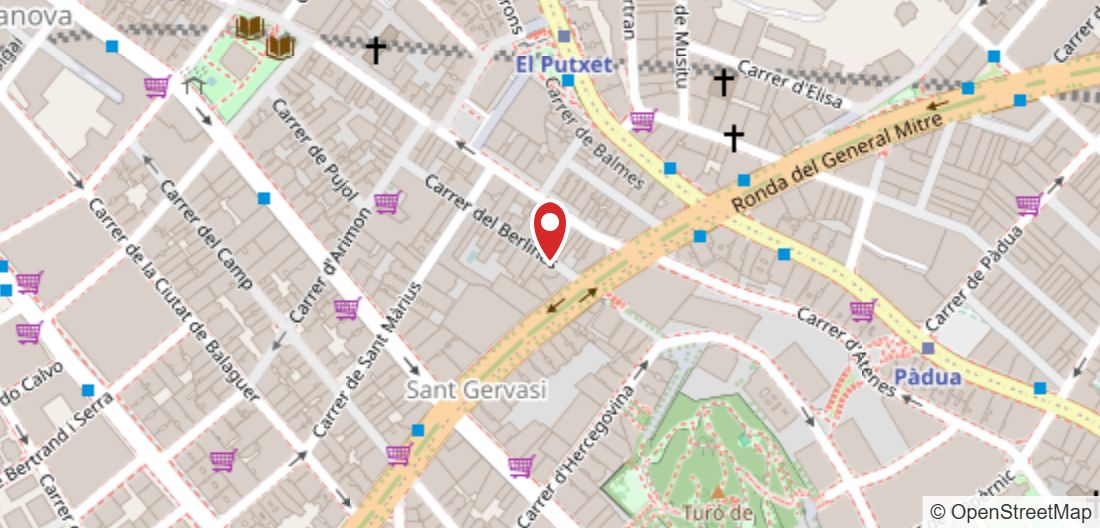
barcelona
- Berlinès 13-15, 08022 Barcelona
- Free consultation
- 936 836 965
desconect@
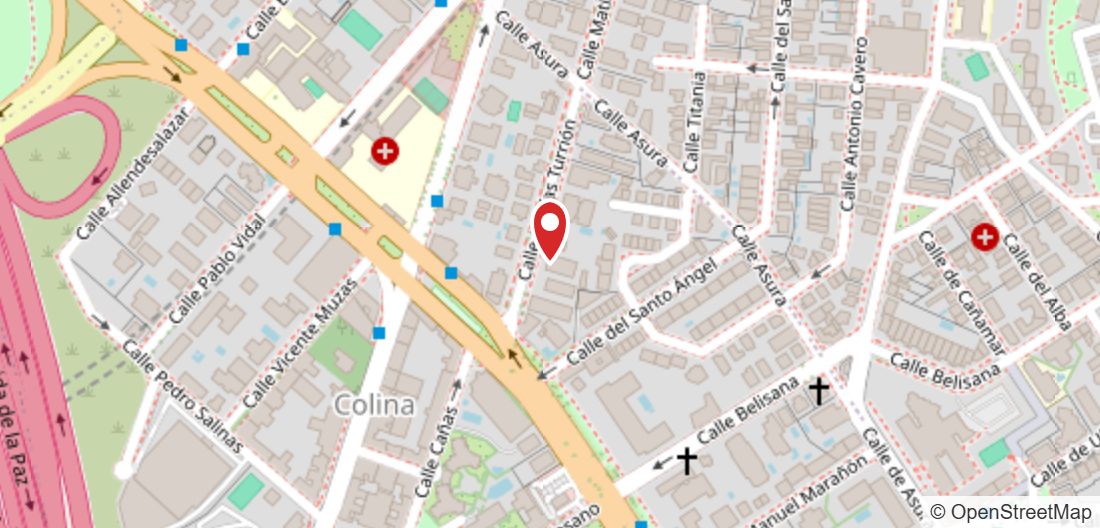
madrid
- Matías Turrión 6, 28043 Madrid
- Free consultation
- 910 376 107
desconect@
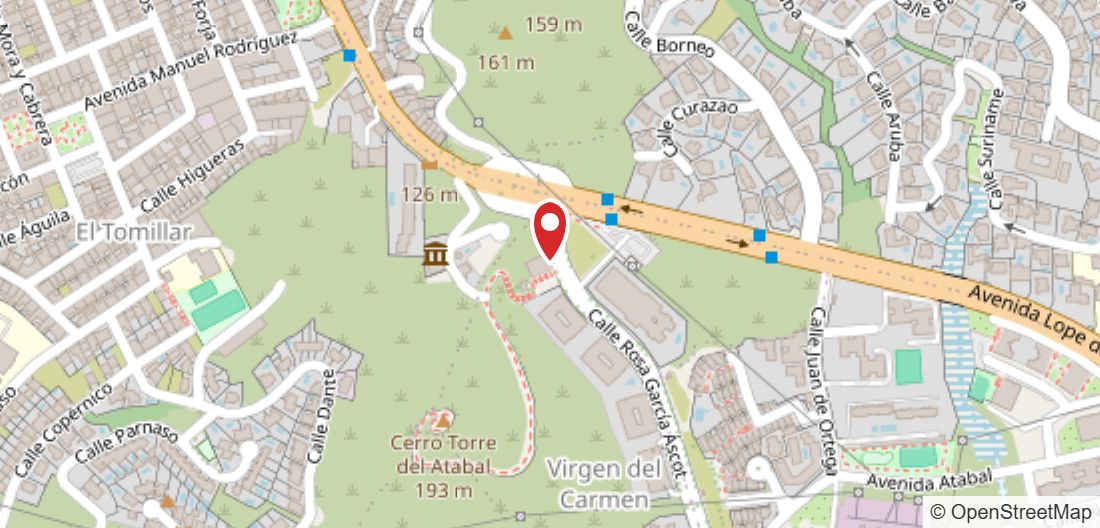
málaga
- Rosa García Ascot 2, 29119 Málaga
- Free consultation
- 952 039 438