Specialists in treating substance addiction
A fundamental characteristic of substance dependence is the appearance of a series of behavioral, cognitive and physiological symptoms that indicate that the patient continues to consume the toxic substance despite the appearance of significant problems related to it.
Our objective in the treatment of addictive disorders is to identify the function that the consumption of the substance fulfills for the person, and thus be able to work on the internalization of new healthy strategies.
What are the symptoms of substance addiction?
Behavioral symptoms:
- Talk loud and laugh out loud
- Friend group changes
- Engage in risky behavior
- Delayed reaction time
- Increase in family conflicts
- Presence of behaviors whose objective is to obtain drugs
- Decreased motivation
- Decline in academic performance
- Inability to meet day-to-day responsibilities
Physical symptoms:
- Loss of motor skills
- Reduction in muscle strength
- Heart rate acceleration
- Increased appetite
- Eye redness
- Cough
- Decreased coordination
- Dry mouth
- Fatigue
- Unkempt personal appearance
Cognitive symptoms:
- Loss of memory
- Distorted perception
- Difficulty thinking or solving problems
- Trouble understanding time or wasting time
- Lack of concentration
- Lack of concentration
- Making bad decisions
- Tendency to forget things during a conversation
Psychosocial symptoms:
- Anxiety
- Panic or fear reactions
- Depressed mood
- Increased irritability
- Agitation
- Increased anxiety
- Decreased interest in things previously enjoyed
What could my child be consuming?
What is substance addiction treatment like?
It is based on the application of different multidisciplinary techniques in each of the phases of treatment for addictions and on the individual attention that we give to each patient.
At Desconect@ we believe that the quality of treatment must be based on meeting the specific needs of each one. Each patient is a different case and we must adapt to it.
With the help of all our professionals, the Desconect@ treatment entails a series of benefits that we show below:
- We do an exhaustive follow-up of the patient's evolution
- We control your consumption
- We propose new habits, both in the academic world and in the workplace
- Our treatment is personal, we adapt to the needs of each patient
- We communicate at all times with the relatives of the patients
- We carry out sports and relaxation activities with a healthy methodology
Attack the root
In addition to the detoxification process, we must go to the root of the problem to avoid a possible relapse. Therefore, an intensive treatment of awareness of the danger of the situation is extremely important.
Our goal is consolidated and definitive rehabilitation.
Subject matter experts
For this we have psychologists specialized in the field and psychiatrists who are experts in drug addiction with more than 10 years of experience in our Day Hospitals in Madrid and Barcelona.
Keys of addiction to substances
MARINA GARCIA
Substance Addiction Facts
- Secondary and high school students (Spain 2018) state that they have consumed joints, by frequency. Around 28% of adolescents stated that they had used cannabis in the last year.
- 17.8% of consumers, three and a half points more than in 2019, which represents an increase of 26% in just two years
- 10.5 percent of the population admits to smoking joints, 3% daily
- The prevalence in men doubles that of women and the average number of joints per day is 2.9.
- 73.9% of students between the ages of 14 and 18 have consumed alcohol at some time (77.9% in 2019). 70.5% have drunk in the last year (75.9% in 2019) and 53.6% have done so in the last month (58.5% in 2019)
Frequently asked questions about mobile and social media addiction
Currently, the drugs most consumed by our adolescent or young children are (in order of prevalence) alcohol, tobacco, cannabis derivatives (marijuana and hashish). (Survey on drug use in secondary education in Spain – Studies 2014/15. Government Delegation for the National Plan on Drugs, Ministry of Health, Social Services and Equality, 2016).
It has always been known that joints are less frowned upon than other drugs such as cocaine or heroin. It is no less true that sporadic or social consumption ends up leading to greater consumption and to trying other “harder” drugs.
The first step to knowing how to end joint addiction is for the patient to accept the adverse effects of its consumption. This stage can last days, even weeks, depending on the patient’s habitual consumption until the therapeutic start of detoxification.
The joint withdrawal syndrome is known for the effects it reflects on people who have used this drug for a long period of time.
After stopping consuming joints immediately, the withdrawal syndrome begins to be noticed. Many users suffer from this syndrome for wanting to give up joints little by little, or for trying without professional help.
With adolescents, it is recommended that the family intervene. It is essential to advise parents so that they know how to deal with the problem and how to treat the adolescent without dramatizing. The patient must be educated on how to stop using.
It is also necessary to train them in the acquisition of patterns that are related to consistent norms among different family members and to train them in communication skills and in the contingency contract between the parties (parent-child).
desconect@
barcelona
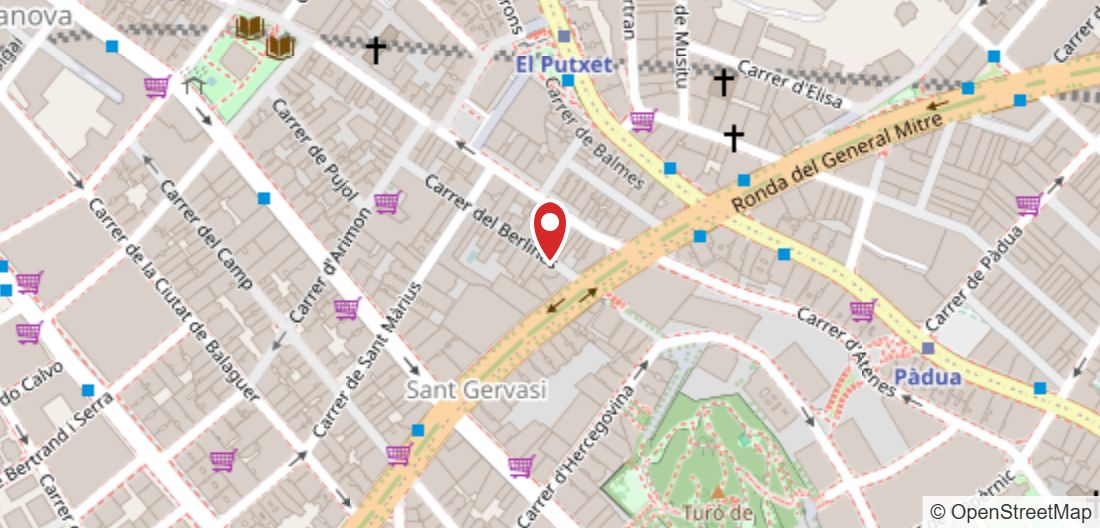
- Berlinès 13-15, 08022 Barcelona
- Free consultation
- 936 836 965
desconect@
madrid
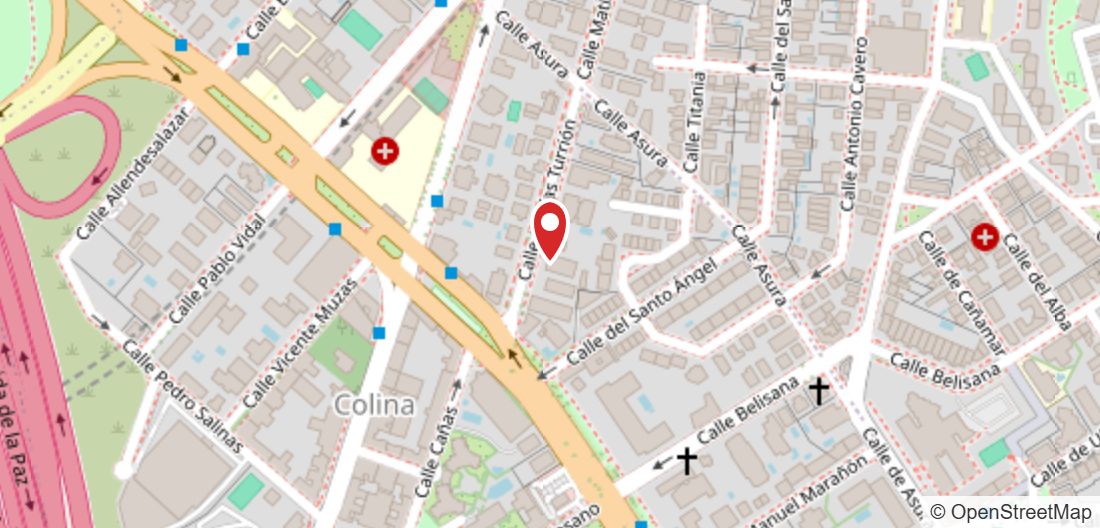
- Matías Turrión 6, 28043 Madrid
- Free consultation
- 910 376 107
desconect@
málaga
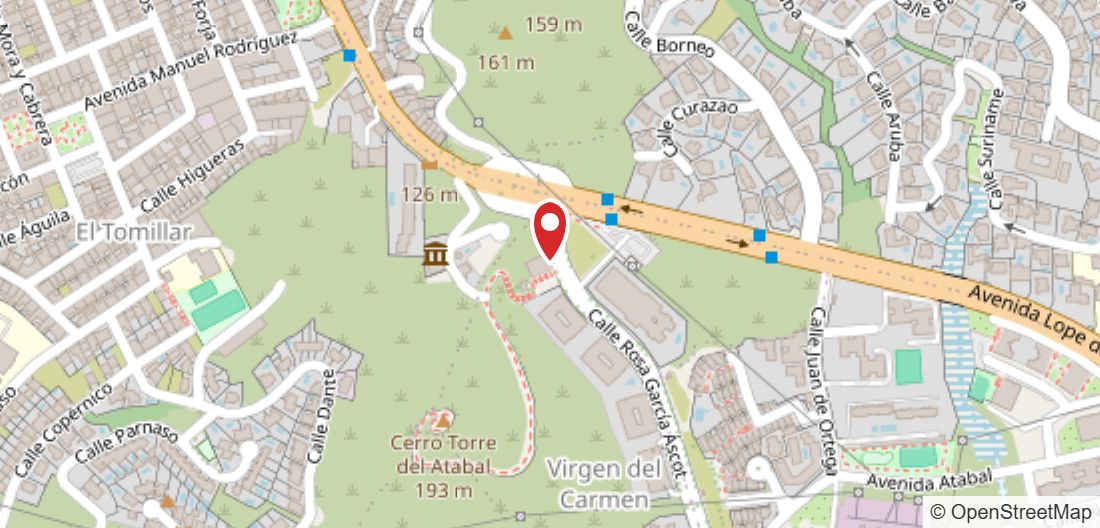
- Rosa García Ascot 2, 29119 Málaga
- Free consultation
- 952 039 438